
A well-maintained lawn is more than just a green space—it's the foundation of a beautiful, healthy garden. Proper lawn mowing is one of the most important practices for keeping grass lush, strong, and vibrant. While it might seem straightforward, mowing involves more than simply cutting the grass. This comprehensive guide explores everything you need to know about lawn mowing in Australia.
Cutting the lawn correctly encourages stronger root growth and denser turf for a resilient lawn.
Consistent mowing prevents weeds from flowering and spreading seeds throughout your lawn.
Removing excess grass reduces habitats for pests and disease, keeping your lawn healthy.
A neatly mown lawn enhances the overall look and value of your property.
Neglecting proper mowing techniques can lead to uneven growth, weak grass, and increased susceptibility to pests, weeds, and drought.
One of the most common mistakes homeowners make is cutting grass too short. Each grass type has an optimal mowing height that promotes health and resilience:
50–75mm
40–60mm
25–50mm
40–60mm
Maintaining the correct mowing height allows grass to photosynthesise efficiently, strengthen roots, and resist heat and drought. Cutting too short, known as "scalping," can stress the lawn and lead to patchy growth.

How often you mow depends on grass type, growth rate, and seasonal conditions. Understanding these patterns helps maintain optimal lawn health throughout the year.
Spring and Summer: Grass grows quickly and may require mowing once a week to maintain the ideal height.
Autumn: Growth slows slightly, so mowing every 10–14 days may suffice for most lawn types.
Winter: Growth is minimal, and mowing may only be needed once a month or less.
Never remove more than one-third of the grass blade in a single mowing session. This prevents shock to the plant and encourages a healthier, more resilient lawn.
Begin regular mowing as growth resumes. Raise the cutting height slightly to reduce stress on young grass shoots emerging from winter dormancy.
Mow frequently to keep up with rapid growth. Avoid mowing during the hottest part of the day to prevent heat stress on your lawn.
Gradually lower mowing height as growth slows. Remove fallen leaves regularly to prevent smothering the grass beneath.
Mow only when necessary, focusing on areas with moderate growth. Consider mulching leaves to add nutrients back into the soil.
Selecting the right lawn mower is crucial for efficient and effective mowing. Different mower types suit different lawn sizes and requirements.
Push Mowers: Ideal for small to medium lawns, providing excellent control and being environmentally friendly.
Ride-On Mowers: Perfect for large properties, saving time and reducing physical effort significantly.
Electric or Battery-Powered: Quiet, low-maintenance options ideal for suburban lawns with noise restrictions.
Mulching Mowers: Cut grass finely and redistribute clippings as natural fertiliser, reducing the need for chemical inputs.
Change your mowing direction each session to prevent soil compaction and encourage upright grass growth.
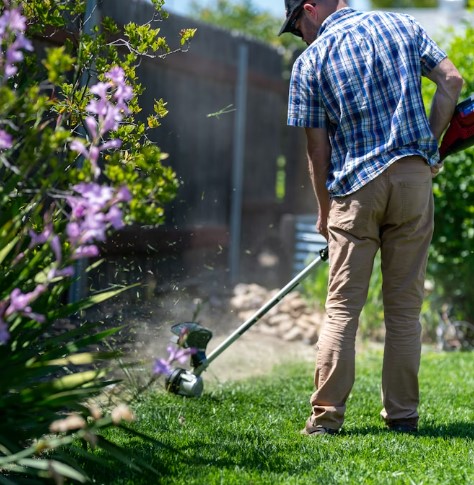
Trim edges along pathways and garden beds before mowing the main area for a cleaner finish.
Avoid rushing through your mowing. A consistent speed ensures even cuts across your entire lawn.
Grass clippings act as natural fertiliser if small enough to decompose quickly. Mulching is recommended during warmer months.
Maintain sharp mower blades for clean cuts. Dull blades tear grass, leading to brown tips and disease vulnerability.
Never mow wet grass as it causes uneven cuts, clogs the mower, and increases disease risk significantly.
Lawn mowing works best when combined with other essential maintenance practices. These integrated approaches ensure your lawn stays healthy, resilient, and visually appealing throughout the year:
Regular feeding promotes healthy, dense growth. Apply slow-release fertilisers during spring and autumn for best results.
Deep, infrequent watering encourages deep roots. Avoid shallow, frequent watering that leads to weak grass.
Aerate your lawn annually to reduce soil compaction and improve nutrient and water uptake effectively.
Regular mowing helps detect and manage weeds, pests, and diseases early before they become major problems.
Whether you mow your lawn yourself or hire a professional service, understanding the principles of effective lawn mowing is key to achieving the best results. With consistent care, attention to detail, and the right equipment, your lawn can become a source of pride, relaxation, and enjoyment for years to come.
Book Your Lawn Service Today